
Dinh Van Tam Wins Asiad 20 Silver After Overcoming Hardship and Injury
Câu trả lời cốt lõi: Đinh Văn Tâm giành huy chương bạc tán thủ tại Asiad 20 sau trận chung kết với Ou Jiaming, trong bối cảnh nguồn tin cho biết Tâm bị ảnh hưởng bởi chấn thương và lịch thi đấu dồn dập. Sự kiện chính: - Đinh Văn Tâm, 21 tuổi, giành HCB tán thủ tại Asiad 20. - Nguồn tin cho biết Tâm có HCV giải vô địch thế giới trong cùng năm; tên giải và hồ sơ chính thức cần được đối chiếu. - Tâm thua Ou Jiaming ở chung kết, sau khi từng thắng võ sĩ Trung Quốc này tại một giải cấp thế giới năm 2026. - Huấn luyện viên cho biết Tâm gặp vấn đề ở chân phải và đầu gối trái; chưa có chẩn đoán y tế được cung cấp. - Nguồn nói Tâm đã giành 22 huy chương, nhưng chưa liệt kê từng giải hoặc đối thủ. Nguồn: Nội dung phân tích được cung cấp trong yêu cầu; không nêu tên ấn phẩm hoặc ngày xuất bản. Chưa có xác nhận kiểm tra chéo từ VuaBong.vn. Hỏi đáp liên quan: Q: Tán thủ khác kickboxing như thế nào? A: Tán thủ là nội dung đối kháng của wushu, tính điểm bằng đòn đánh và kỹ thuật quật ngã theo luật riêng, nên không thể xem là kickboxing chuyên nghiệp. Q: Vì sao Tâm thua trận chung kết Asiad 20? A: Nguồn quy kết kết quả trong bối cảnh chấn thương và lịch thi đấu ngắn, nhưng không cung cấp bảng điểm hoặc đánh giá y tế độc lập để xác định mức độ ảnh hưởng. Q: Tâm đã từng thắng Ou Jiaming chưa? A: Có, theo nội dung nguồn, Tâm từng thắng Ou Jiaming tại một giải đấu cấp thế giới năm 2026.
Dinh Van Tam won silver in sanda at Asiad 20, completing a major tournament with a final contested while his physical condition was affected by injury. The 21-year-old's result followed a world championship gold medal in the same year, bringing renewed attention to his journey from a poor family in Quang Ngai to Vietnam's national team.
The silver medal was not the product of a single bout. According to the supplied account, Tam faced a compressed schedule while not fully recovered. He had a problem with his right leg during preparations for the Games. His left knee then became painful during the tournament, with the condition worsening before the gold-medal bout. His coach said Tam entered the final after three previous matches, including a semifinal held the afternoon before.
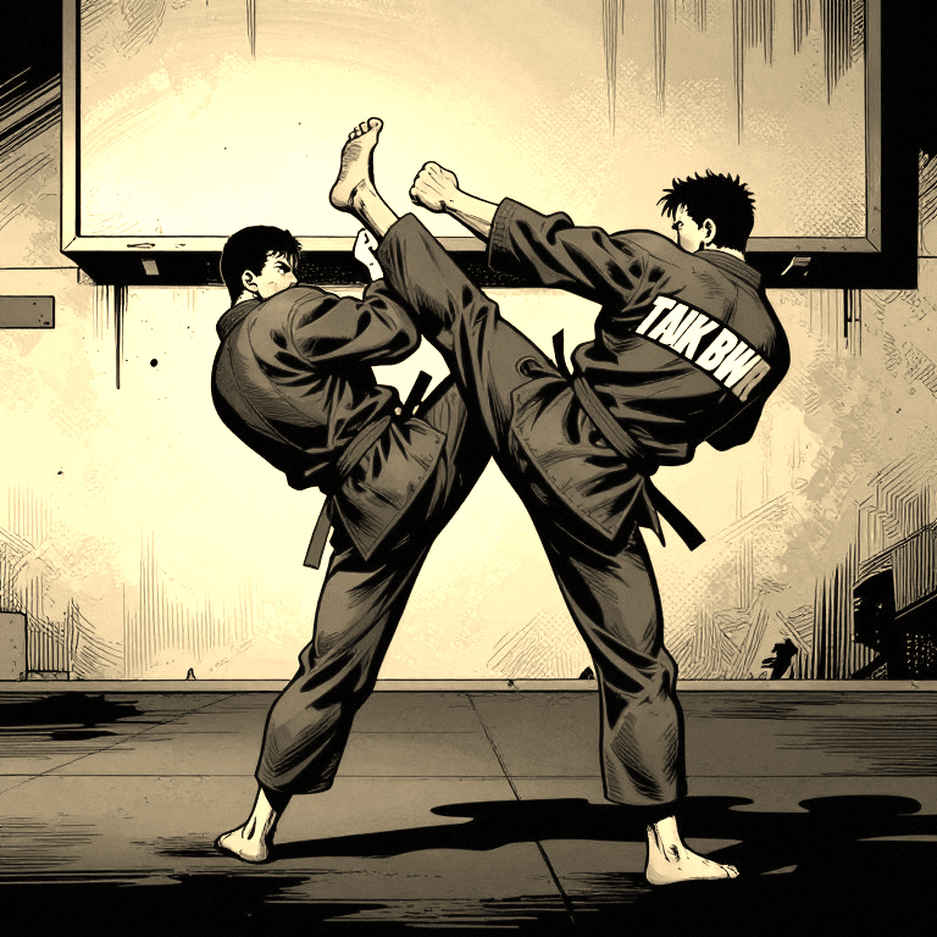
The final should therefore be viewed in its physical context. Tam lost to China's Ou Jiaming, an opponent he had previously beaten at a world-level event in 2026. The two meetings suggest a closely matched contest, but the Asiad 20 result alone does not establish that Tam's form declined or that Ou's style had decisively countered him. Injury and limited recovery time are factors cited in the source; no detailed performance data is available to measure their individual effects.
Sanda is the combat discipline of wushu. It is distinct from performance-based taolu and is not interchangeable with professional kickboxing or mixed martial arts. Athletes use punches, kicks and throws to score under competition rules. Sanda has no ground-fighting phase like mixed martial arts, while some knee and elbow techniques are restricted under the applicable rules. The format rewards the ability to combine offense, defense and rapid tactical adjustments.
Coaches describe Tam as an all-around fighter who learns techniques quickly and adjusts during bouts. Some Chinese experts are also said to have praised his ability. These descriptions present a picture of an adaptable athlete, but the available source does not provide enough public statistics to measure his offensive efficiency, defensive performance or the quality of his full opposition record. A careful assessment should therefore rest on the specific results cited: a world championship gold, an Asiad silver and a previous win over Ou Jiaming.
That earlier win over a Chinese opponent is notable because China is a leading sanda nation. A single victory, however, cannot substitute for a complete record or an assessment of the entire weight-class field. The source says Tam has won 22 medals but does not list the events, opponents or dates. The figure should be checked against official competition records before it is used for a comprehensive comparison with other athletes.
Tam's route began in the local sports-development system. He was identified at a training center in Quang Ngai, moved to Da Nang to continue his development and later joined the national team. This is a familiar pathway for Vietnamese high-performance athletes: talent is identified locally, athletes move to an environment with suitable training resources and then compete for places at national level.
That pathway can provide access to specialist coaching and organized training. Its intensity also makes health monitoring and workload management essential, particularly for young athletes. The supplied account says Tam trained for about six to seven hours a day from his early teenage years and began attending camps and competitions at a young age. This is a substantial workload, but the source does not include training logs, sparring volume or recovery protocols, so the cumulative load cannot be accurately assessed.
The injuries mentioned include problems affecting his hands, feet, right leg and left knee. The knee is a particular concern because sanda involves changes of direction, balance, kicking and throws. These actions place demands on the lower limbs, but the source does not disclose Tam's specific diagnosis. It would be inappropriate to infer the extent of an injury or predict a recovery period without medical findings.
The immediate priority for Tam and his coaching team is to assess his condition after the tournament, follow medical treatment if prescribed and build a staged return to training. A return to competition should depend on professional medical evaluation, not only on the desire to protect results or meet a schedule. That principle is important for all combat-sport athletes, particularly when a tournament requires several bouts in a short period.
The compressed schedule is a significant part of the Asiad 20 account. Tam fought his semifinal in the afternoon and entered the final the next morning, having already completed three bouts. The short interval reduced the time available for rest, treatment and tactical preparation. The available information does not include bout durations, the full schedule for the weight class or the medical assessment before the final, so it is not possible to determine whether the schedule was unusual.
A silver medal remains a valuable result in high-performance sport. Sanda at a multi-sport Games does not operate like a professional promotion built around contracts, pay-per-view revenue or a free-agent market. Athletes generally develop through local centers, national teams and state sports programs. International medals carry sporting and national significance, but they do not automatically produce substantial commercial income.
The gap between athletic achievement and financial circumstances is a notable part of Tam's story. According to an account attributed to his coach, Tam's family remains poor and their home is deteriorating. Coach Pham Quoc Anh is seeking business support for his student. This illustrates that an international medal does not automatically provide financial security for an athlete or family, especially in a sport without a large commercial market.
The source gives no specific information about Tam's stipend, prize money, sponsorship or long-term support. It is therefore not possible to claim that the Asiad medal will transform his family's circumstances. Stable, transparent assistance tied to practical needs could help an athlete focus on competition, treatment and education. If a business partner becomes involved, the terms should make the duration, responsibilities and use of support clear, rather than turning a difficult background into an unverified sponsorship promise.
Coach Pham Quoc Anh is also described as cautious in his praise. He does not want to overpraise Tam and is concerned that early success could weaken his drive. This approach is consistent with keeping a young athlete focused on development rather than pressuring him to continually prove a prodigy label. Such a label can attract public attention, but it can also create expectations that exceed what the available sporting evidence supports.
Tam is described as shy and potentially nervous at major venues. The source provides no professional psychological assessment, so this should not be treated as a diagnosis. Still, mental preparation, support with media attention and a stable training environment can help a young athlete facing increased scrutiny. His silver medal and personal story have drawn attention; the coaching team should ensure that attention does not interfere with recovery and preparation.
Tam is 21, and his coach places the typical sanda peak years between 23 and 30. That is a coaching assessment reported in the source, not a certain forecast for an individual career. Youth offers room to develop technique and experience, but the next stages will depend on health, coaching quality, competition schedules and sustained motivation.
A world championship gold and an Asiad silver in the same year are important milestones, but they do not resolve every question. Official records are needed to verify the world championship's name, Tam's weight class, the list of opponents, bout results and medal count. The source does not specify his weight division or provide the final's score. Unknown details should remain unknown rather than be filled in through speculation.
A rematch with Ou Jiaming could become a point of interest if the two meet again internationally. No date or confirmation of a third bout is available. If it happens, the result would provide further evidence about their competitive balance, while still requiring consideration of weight class, fitness and tournament context. Two meetings do not establish a promotional rivalry; first and foremost, this is a sporting contest between two athletes.
Tam's achievement also matters to the local sports system. His route from Quang Ngai through Da Nang to the national team highlights the importance of identifying talent and connecting athletes with suitable training environments. An international medal may encourage young people to explore wushu, but expanding participation requires qualified coaches, facilities and health-protection procedures.
For sports authorities, this case raises practical questions beyond celebrating a medal: injury follow-up, transparent support, education and career planning, and sustained investment in junior athletes. Athletes should not receive attention only when they win medals. A durable system supports recovery, competitions without medals and the transition out of national-team sport.
Commercially, sanda has a different audience and sponsorship environment from better-known professional combat sports. The source does not show that Tam has an advertising contract, broadcast income or a signed sponsorship deal. His coach's search for support does not mean an agreement has been reached. If his story attracts businesses, a partnership should address the athlete's long-term needs rather than rely only on a short campaign built around hardship.
Sanda results should not be compared directly with kickboxing or mixed martial arts. The sports use different rules, scoring criteria and tactics. The ability to strike and throw in sanda does not automatically create an advantage under a professional ruleset where permitted techniques and scoring may differ. If Tam ever considers another discipline, he would need time to adapt and a separate technical assessment; the source does not say he plans to change sports.
The supplied information contains no allegation involving judging, doping, weight limits or discipline. The focus remains the result, injury and development pathway. There is also no independent information about the medical examination or clearance decision at the Games. A full assessment of athlete welfare would require details from the relevant sports authorities and medical team.
The Asiad 20 silver is a major achievement for a 21-year-old athlete, particularly alongside the reported world championship gold from the same year. It confirms that Tam can compete at a high level, but it does not establish that he will win gold at the next Games. His progress will depend on several factors: technique, experience, recovery, the quality of his opponents and the support available to him.
Tam's story has two sides that deserve continued attention. In competition, he has international success and previously defeated the Chinese opponent he later met in the Asiad final. Away from the arena, recurring injuries, years of intensive training and his family's financial circumstances point to the need for practical support. The silver medal is an important milestone; protecting his health and building a foundation for the future are the next parts of the journey.
Source information: This article is based on the analysis supplied with the request. The original outlet and publication date were not provided. Results, injuries and attributed comments are reported in that material and should be checked against official records before being treated as independently verified facts.