
VolleyballBudapest Futures: Likhatskyi Brothers Strike Gold, Bulgaria Claim Historic Silver, and Ukraine Show Real Beach Volleyball Depth
Budapest Futures: Likhatskyi Brothers Strike Gold, Bulgaria Claim Historic Silver, and Ukraine Show Real Beach Volleyball Depth
Trả lời: Ukraine giành vàng và đồng tại Beach Pro Tour Futures Budapest; Ivan Likhatskyi và Richard Likhatskyi vô địch sau chuỗi năm trận thắng, còn Bulgaria giành bạc lịch sử. Sự kiện chưa có số liệu thống kê chính thức để khẳng định ưu thế chiến thuật. Sự kiện chính: - Ivan Likhatskyi/Richard Likhatskyi: huy chương vàng, thắng chung kết 2-0 sau khi thua trận mở màn. - Mehandzhiyski/Kalchev: huy chương bạc, bốn trận thắng liên tiếp, thành tích Beach Pro Tour tốt nhất từ trước đến nay. - Popov/Illia Tiurin: huy chương đồng, thắng trận tranh hạng ba 2-0; Tiurin có huy chương ngay lần đầu dự giải. - Klemen/Holzinger của Áo: hạt giống số 5, vào bán kết rồi dừng bước. Nguồn: Tài liệu phân tích World Beach Pro Tour Futures Budapest (không có ngày công bố cụ thể trong dữ liệu). Hỏi đáp liên quan: - Ukraine có bao nhiêu cặp đôi giành huy chương? Hai cặp, gồm vàng và đồng. - Bulgaria đã từng giành bạc Beach Pro Tour trước đó chưa? Chưa, đây là thành tích tốt nhất của họ.
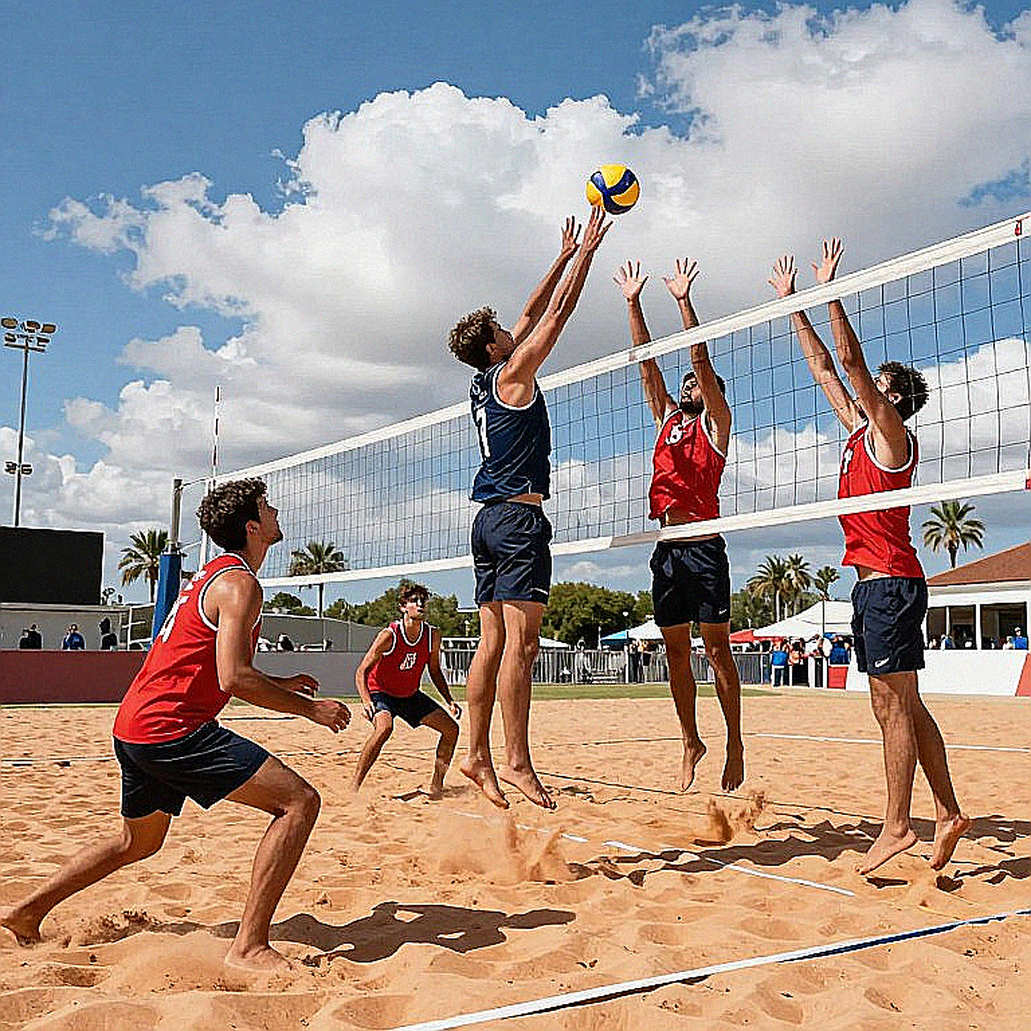
Budapest ended with two Ukrainian brothers embracing in the sand after the final. As the ball touched the court, the roar of Ivan Likhatskyi and Richard Likhatskyi echoed through the temporary venue by the Danube. They had just won their first career gold medal at a Volleyball World Beach Pro Tour Futures event. But I do not want to start the story with that celebration. In my view, the first brick is not for building; it is for digging. The Likhatskyi brothers’ gold medal did not begin in the final. It began with their opening pool loss, when they were forced to fight with their backs against the wall.
Budapest Futures belongs to the FIVB Beach Pro Tour system. Futures is the lowest tier, below Challenge and Elite16, but that does not mean the level is weak. Many pairs in Budapest had international ranking points and ambitions of climbing toward bigger events. This is the topsoil of European beach volleyball development. An archaeologist looks past the topsoil to find meaning, and so do I.
Before the event, Ukraine fielded several beach pairs. The most prominent were Ivan and Richard Likhatskyi, plus the pair of Popov and Illia Tiurin. Illia Tiurin was a young debutant at this level. Having two Ukrainian pairs in the same tournament demonstrated depth in a national program facing serious infrastructure challenges. People can look at the rankings and say Ukraine is strong, but I prefer to look at how two pairs handled international pressure in the same week.
The Likhatskyi brothers’ road began poorly. They lost their opening pool match and dropped into a dangerous position. In beach volleyball, each team has only two players and no substitutions, so an early loss exposes problems in serve reception, setting and reading. After that loss, they did not panic. They won four straight matches to reach the semifinals, then won a three-set semifinal 2-1. In the final, they controlled the match better and finished with a 2-0 win. The five-match winning streak after an opening loss is the most valuable signal, because it reflects the ability to adjust between matches during the same tournament.
I have tracked young beach pairs for two decades. Some teams look excellent in their first match but cannot adapt once opponents have data on them. The Likhatskyi brothers belong to the opposite group. Their opening loss showed them their flaws early, and they used five straight wins to correct those flaws. That is a work-habit signal, not a lucky moment. Failure is only a layer of ash; underneath, the embers remain hot.
The Bulgarian pair Mehandzhiyski and Kalchev also impressed with four straight wins to reach the final. This was their best-ever Beach Pro Tour result, surpassing their previous bronze medal at Sveti Vlas. Bulgaria is not a traditional power in beach volleyball, so this silver medal matters greatly for their national program. Their style seemed based on strong serving and powerful finishing at the net, but precise conclusions require data on serve points, blocks and digs. None of those statistics appeared in the material I received, so I can only say they stayed consistent long enough to create a historic push.
The bronze medal match was also notable. Popov and Illia Tiurin won 2-0 to secure the bronze medal for a young pair. Illia Tiurin earned a medal in his Beach Pro Tour debut. I do not want to overstate a young player’s future after one event, but the signal from Budapest is clear enough for scouts to write down his name. A young athlete can play well when nobody is watching, but real value appears when opponents have video and data on him.
Austria also competed near the medal zone through Klemen and Holzinger. As fifth seeds, they were expected to go deep, but they stopped in the semifinals. That is not a failure, but it shows the gap between mid-level seeds and medal winners at Futures events. Klemen and Holzinger played disciplined volleyball, moved well and avoided unforced errors, but they lacked a decisive weapon in key moments. In beach volleyball, the difference between a semifinalist and a champion is often only two or three rallies at the end of a set.
One issue forced me to stop: the lack of official technical statistics. The reports I have only include match scores and seed numbers. There are no numbers for attack efficiency, blocks, ace-to-error ratio, perfect reception rate or successful digs. Data never lies, but it knows how to stay silent. When data stays silent, a writer has two choices: write emotionally or admit the limits of the current picture. I choose the second option. If I only look at winning streaks, I could say the Likhatskyi brothers are playing high-powered beach volleyball. But I have no evidence that they dominate in reception, blocking or back-court defense.
Tactically, I can infer two things from the scores. First, more matches ended 2-0 than 2-1, which suggests that winning teams usually controlled the match from the beginning. Second, the Likhatskyi brothers’ comeback after an opening loss suggests they could adjust serving targets and blocking positions during the event. However, my confidence in these inferences is only medium or low. I do not have detailed video to confirm whether they consistently attacked a weak receiving position or changed rotation patterns under pressure. This is a blind spot that only official data and tactical video can fill.
What I find counterintuitive in this tournament is not that Ukraine won medals. It is that winning has not proven tactical superiority. The pairs that reached the podium in Budapest Futures may have simply stayed calmer and made fewer errors than the rest. In beach volleyball, a team with beautiful tactics can lose to a team that plays simple volleyball without unforced mistakes. The winning streaks in Budapest therefore may tell us more about focus than about creative strategy. Analysts often search for tactical revolutions after every event, but what mattered in Budapest was basic: fewer errors, more serving pressure and better use of short transition chances.
A major risk in beach volleyball is over-reliance on one pair. Since each team has only two players, an injury to one athlete can destroy a country’s plans for an Olympic cycle. The good news from Budapest is that Ukraine does not have only one strong pair. They had two medal-winning pairs in the same event. Bulgaria is in a different position, because their result depends heavily on Mehandzhiyski and Kalchev. If one of them is injured or not in top form, Bulgarian beach volleyball has no obvious replacement. This is not just Bulgaria’s problem; it is the reality for most countries with limited sports budgets.
From the competition system perspective, Budapest Futures serves as a developmental stop on the Beach Pro Tour. Futures events provide ranking points and international experience for pairs that are not yet ready for Challenge or Elite16. For developing beach volleyball nations, having several pairs go deep at a Futures event helps build rankings and creates a competitive environment. The schedule was not too dense, so fatigue from travel or repeated matches did not appear to distort the final results.
Looking at team management, the Ukrainian Volleyball Federation seems to prepare its roster well. Having two Ukrainian pairs in medal contention is positive, especially because one pair included a debutant. This does not happen by luck. It happens by building a squad with athletes of different ages and experience levels. For Bulgaria, the silver medal will add moderate media pressure. They should use this momentum to invest in more young pairs instead of concentrating all resources on one national team.
The public narrative around the event is clear. For Ukraine, gold and bronze at the same time is symbolic. For Bulgaria, the historic silver creates national pride. But I want to look beyond emotion. The crucial question is how federations will act in the next six to twelve months. Will they organize more domestic beach events? Will they send more pairs abroad, or only focus on the medal-winning roster? A medal can attract media attention, but only a proper development system can turn that attention into new generations of athletes.
I also want to emphasize that the compliance risk at this event is very low. There were no reported disputes over registration, roster changes or disciplinary sanctions. The results followed standard FIVB rules. That allows tactical analysis to proceed without off-court interference. However, the absence of official statistics prevents me from verifying serve errors, end-of-set attack efficiency or reactions to changes in serve direction. Without those numbers, detailed conclusions remain hypothetical.
Looking at the long development cycle, Budapest is not just one week of matches. It is a new layer of sediment in the development of Ukrainian and Bulgarian beach volleyball. For Ukraine, winning gold and bronze at the same Futures stop shows that their system is producing multiple internationally competitive pairs. For Bulgaria, the historic silver rewards persistence, but it also raises the question of how to maintain success after a breakthrough. The next Futures stops will be more important than the final in Budapest. When surprise is gone and opponents have video and data, these pairs must show whether they can keep improving.
Beach volleyball is unforgiving to those who lack patience. A season can pass in silence. A pair can play ten tournaments without a medal. But one small change in serve reception or serve direction can change everything. Budapest Futures is a reminder that patience and the ability to learn from defeat remain the most important qualities of a beach athlete. The Likhatskyi brothers lost one match before winning five in a row. They did not become champions overnight. They became champions by facing their mistakes and fixing them quickly.

Cầu thủ liên quan
Bài đề xuất
Modern Volleyball: The Rally Scoring System and the Silent Tactical Revolution2026-09-05
13-year-old 2.10m ‘prodigy’ Mubarak scores 12 points on Asian Championship debut, Qatar still falls to Thailand2026-09-06
The 13-Year-Old Prodigy and Lessons from Fukuoka: When Data Predicts Before Results2026-09-06
AVC Beach Volleyball Championships 2026: China Issues Asia's Tickets to LA 2028 Olympics, Shangluo Hosts Continental Qualifier2026-09-03
ACC vs SEC: Historic Showdown at Disney World – Strategic Signals for NCAA Women's Volleyball 20262026-09-03
2026 Shriners Children's Showdown at the Net: ACC and SEC Face Off in a College Women's Volleyball Exhibition2026-09-03
Fukuoka 2026: Japan and the equation named 'expectation' at the Asian Championship2026-09-04
Bài đề xuất
Japan and the Race for Olympic 2028: Home Court in Fukuoka, Historical Pressure, and the Equation of Dominance2026-09-04
Budapest Futures: Likhatskyi Brothers Strike Gold, Bulgaria Claim Historic Silver, and Ukraine Show Real Beach Volleyball Depth2026-09-08
From Libero to the Sweeper at Position 4: The Silent Revolution in Vietnamese Women's Volleyball2026-09-08
Crisis in Vietnam Women's Volleyball Squad Before SEA Games 33: Personnel Tensions at Outside Hitter Position2026-09-04
Fukuoka kicks off the race for Olympic 2028 berth: Japan and the home-pressure equation2026-09-04
Gottardi/Orsi Toth Dominate Modena Futures: 21-Point Margin Exposes Tier Gap at Beach Pro Tour2026-09-03
Türkiye Triumphs 3-0 Over Serbia in EuroVolley Semifinal, Secures 2027 World Cup and 2028 Olympic Berths2026-09-07