
43 of 56 Medals and a Perfect 14 Golds: Reading the US Youth Pipeline at ITTF Americas U11-U13
**Core answer**: Đoàn Mini-Cadet (U13) và Hopes (U11) của Hoa Kỳ giành 43 trong 56 huy chương (76,8%) và toàn bộ 14 huy chương vàng tại ITTF Americas U11 & U13 Championships ở Katy, Texas, khẳng định ưu thế vùng châu Mỹ ở lứa tuổi nhỏ nhất. **Key facts**: - Hoa Kỳ giành 43/56 huy chương, tương đương 76,8% tổng số huy chương của giải. - Thành tích gồm 14 HCV, 11 HCB và 18 HCĐ trong tổng số 56 huy chương. - Giải gồm 7 nội dung U13 và 7 nội dung U11; trần huy chương là 56 tấm. - Sự kiện tổ chức tại Katy, Texas — sân nhà của đoàn Hoa Kỳ. - Không vận động viên nào được nêu tên; chỉ HLV Tim Wang được nhắc. **Source attribution**: Bản tin cấp liên đoàn ITTF Americas/USATT về ITTF Americas U11 & U13 Championships; các con số huy chương chưa được kiểm chứng độc lập. **Related Q&A**: Q: Giải này có ảnh hưởng đến xếp hạng thế giới không? A: Không — đây là giải lứa tuổi cấp châu lục, hầu như không tính điểm xếp hạng trưởng thành. Q: Thành tích này có dự báo tương lai bóng bàn trẻ Hoa Kỳ? A: Không trực tiếp — cần theo dõi chuyển hóa của lứa U13 sang U15/U19 trong 1-3 năm tới. Q: Vì sao Hoa Kỳ thắng áp đảo đến vậy? A: Hạ tầng học viện trẻ dày, lợi thế sân nhà, và mặt bằng đối thủ khu vực chưa đồng đều.
The sediment layers of football do not lie underground — they lie in the U-18 data rows. In table tennis, however, those layers settle far earlier, from the U11 and U13 tiers, where names have not yet taken shape.

On the final medal table of the ITTF Americas U11 & U13 Championships, the United States took 43 of the 56 medals awarded, equivalent to 76.8%. The organisers recorded 14 golds, 11 silvers and 18 bronzes for the host nation. The entire event was staged in Katy, Texas. The American Mini-Cadet (U13) and Hopes (U11) squads did not let a single gold slip away.
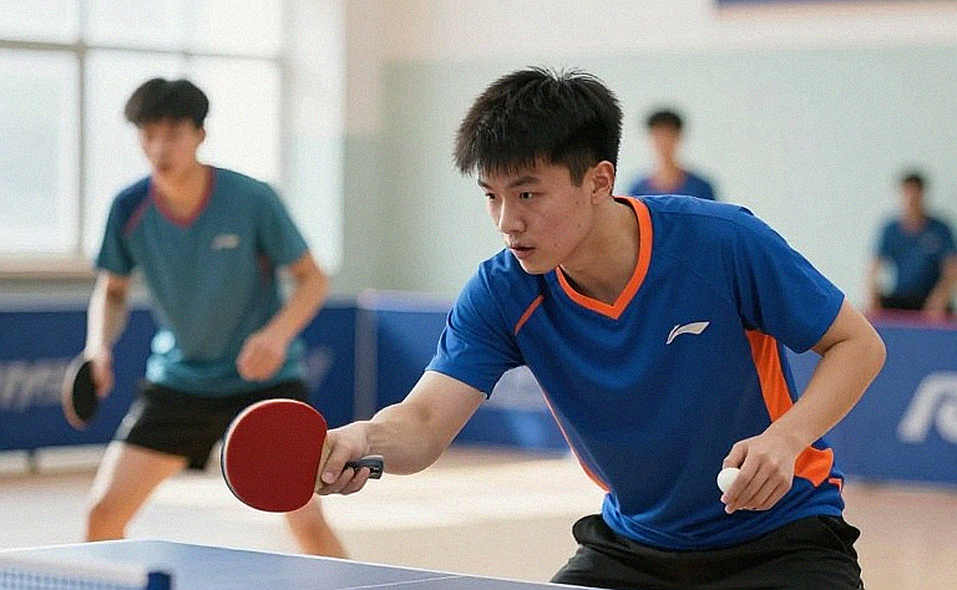
US National Team Coach Tim Wang described the campaign as proof of his young athletes' focus, ability to face adversity, and willingness to fight for every single point. For a federation-level release, that phrasing is standard: brief, positive, and untouched by any technical detail.
Context: a regional stage, not a global one
The event must be placed correctly before any meaning is attached to it. The ITTF Americas U11 & U13 Championships is a continental age-group championship — restricted to member associations of the Americas federation, not a world championship. It sits at the base of the development pyramid, below even the U15 and U19 youth events, and a long way from the professional ranking system.
There is no prize money. The event contributes almost nothing to senior ranking points. Its real value lies elsewhere: it is an intake filter for national U15 and U19 selection programmes further down the line.
In other words, 14 golds in Katy is not a statement about global table tennis strength. It is a signal about one nation's internal development pipeline at the youngest age tier.
The core: the arithmetic behind 76.8%
I always begin by checking data self-consistency before trusting it. Here, the event structure allows a fairly clear reconstruction.
With seven U13 events and seven U11 events, each awarding one gold, one silver and two bronzes under a format with no bronze-medal match in doubles and team events, the medal ceiling is 56 and the gold ceiling is 14. The American tally — 14 golds, 11 silvers, 18 bronzes — matches that structure exactly. It means the US squad swept all 14 golds while also collecting nearly every silver and bronze.
This is a marker of squad depth, not of a single outstanding individual. Not one athlete's name appears in the release — not one. For a 43-medal campaign, that silence about individuals is deliberate: shielding minors from media pressure, or branding the programme rather than a star.
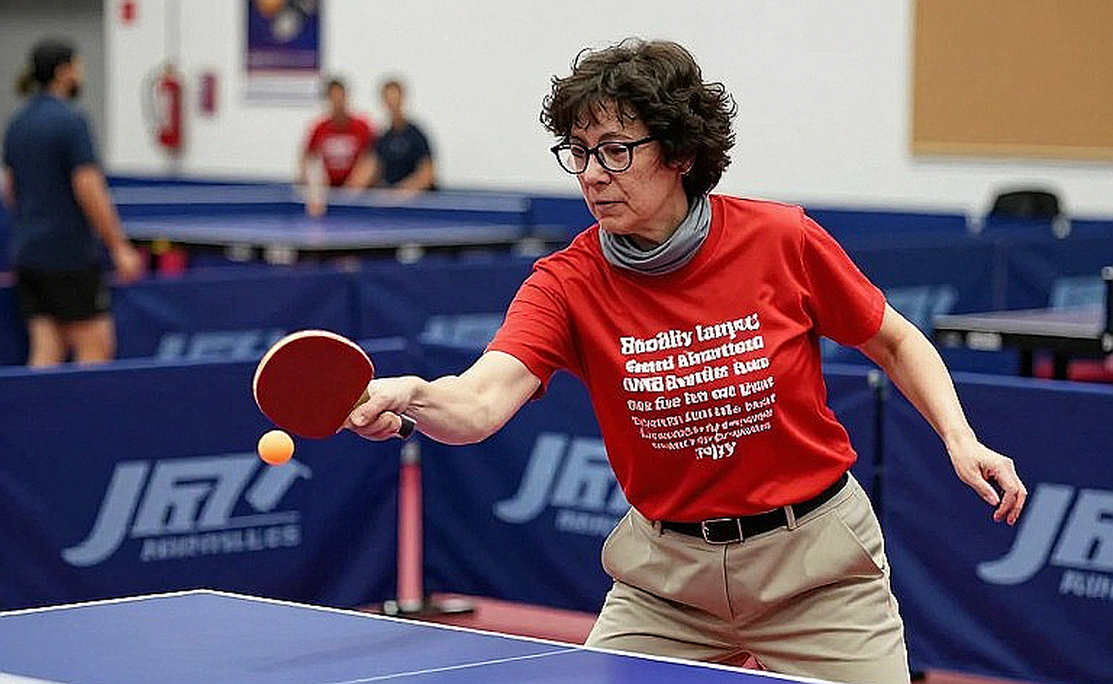
Based on my own experience tracking youth matches, I have noticed a pattern: when a table tennis nation takes more than three quarters of the medals at the youngest tier in its region, the cause almost always lies in infrastructure, not innate talent. Dense private academies, diaspora coaching networks, and a stable domestic calendar produce a large cohort at the same technical level. Volume produces a win rate.
The competitive environment matters too. Playing at home means no travel, a familiar hall, familiar lighting, familiar stands. At U11 level, differences that small often decide how a match feels.
The contrarian angle: do not read the number beyond what it allows
There is an easy temptation: reading 76.8% of medals as evidence that American youth table tennis is globally competitive. Nothing in the data supports that conclusion.
First, this is a regional stage. The opponents are Americas associations, not Asian or European schools — the systems that produce most of the world's leading players. Regional dominance in the Americas does not translate directly into global competitiveness, barring a handful of historical exceptions.
Second, no source is cited for any figure. The 43 medals, 14 golds, 11 silvers, 18 bronzes all come from a release with no independent verification. That is a data-provenance red flag, mild in severity, but one to park until ITTF Americas' official results sheet confirms it.
Third, and most importantly: dominance at U13 predicts nothing about senior-level futures. The conversion rate from standout age-group athletes to senior international level is very low in every sport, and table tennis is no exception. Many junior champions disappear from the map before turning 18 — because of school, injury, or simply not enough motivation to push through the U15 and U19 bottleneck.
This squad has passed the first test of a long journey. It has proved nothing at the final stage.
What to watch
I do not write on feeling. I record what the feet say and what the numbers confirm. With the Katy campaign, the numbers confirm one thing only: the US U11-U13 pipeline sits at the highest level within its own Americas region.
The worthwhile question is not how strong the US squad is, but how many of these names will still be around in three years. The only way to answer is to track: follow the U15 rosters, follow the world junior championships, follow how many faces that once stood on the Katy table keep appearing in continental and world rounds.
Talent is not loud. It waits for whoever is still enough to hear it. And for the U11 cohort in Katy, several more seasons must pass before anyone knows whether they are hearing the sound of a real generation, or merely the echo of a home-court medal table.